Back
26.92° N  ·  70.91° E  ·  Golden Fort

Rajasthan · Chapter Three

Jaisalmer

जैसलमेर

The golden fort — sandstone carving, desert routes, embroidery, and leather, a city that carves sunlight into stone.

26.92° N  ·  70.91° E  ·  Golden Fort

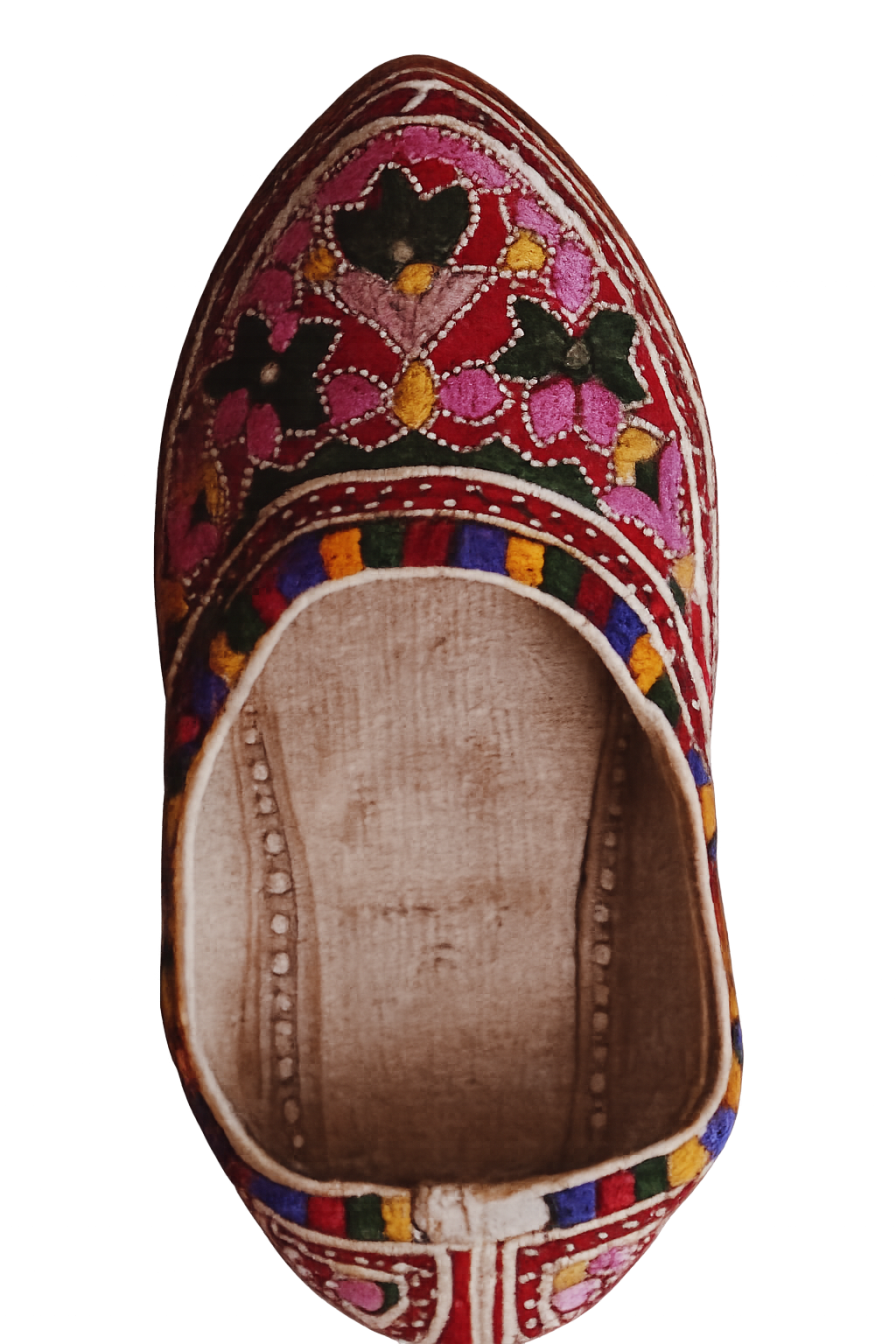
Jaisalmer is the golden fort — sandstone carving, desert routes, embroidery, and leather, a city that carves sunlight into stone. In the craft archive of Rajasthan, it holds stone carving, leather, and embroidery — lacework cut into yellow sandstone.

I

Chapter One

The City

जैसलमेर

Jaisalmer is the golden fort — sandstone carving, desert routes, embroidery, and leather, a city that carves sunlight into stone. It is not a single craft but a temperament — a way the place organises its hands, its markets, and its memory around what it makes.

To read Jaisalmer is to read Rajasthan at close range: the same earthy, museum-quiet attention to material, narrowed to one city’s streets and one community’s patience.

Jaisalmer carves sunlight into stone.
II

Chapter Two

The Landscape

जैसलमेर

The setting shapes the craft. Here that means the dunes, the fort walls, the carved havelis, and the old camel routes across the Thar.

Geography is never neutral in a craft city. The land decides what materials arrive, what light falls on the worktable, and what a maker reaches for first.

Jaisalmer: Landscape
Jaisalmer — landscapeWikimedia Commons
III

Chapter Three

The Craft

जैसलमेर

The cultural anchor of Jaisalmer is stone carving, leather, and embroidery — lacework cut into yellow sandstone.

This is the thread the rest of the city hangs from — the skill passed down, refined, and quietly defended against the speed of everything around it.

Jaisalmer carves sunlight into stone.
Jaisalmer: The craft
Jaisalmer — the craftWikimedia Commons
IV

Chapter Four

The Materials

जैसलमेर

Every craft begins as raw material. In Jaisalmer, the hands work with what the land and the trade routes bring — substances chosen for how they hold colour, edge, weight, and time.

The material is not a backdrop; it is the first collaborator. What follows is the working vocabulary of Jaisalmer.

  • Yellow sandstone
  • Leather
  • Mirror
  • Thread
V

Chapter Five

The Motifs

जैसलमेर

A motif is memory made repeatable. The visual language of Jaisalmer returns, again and again, to a small set of forms that carry its meaning.

These are not decoration for its own sake — each mark is a compression of landscape, faith, and habit into something a hand can repeat.

  • Jali
  • Dune line
  • Camel
  • Mirror dots
Jaisalmer: Detail
Jaisalmer — detailWikimedia Commons
VI

Chapter Six

The Colour Story

जैसलमेर

Colour in Jaisalmer is golden sand, dark brown, and mirror silver — the warm monochrome of the desert city.

A palette is a place’s emotional signature. These are the tones that feel true to Jaisalmer — drawn from its earth, its water, its metal, and its cloth.

VII

Chapter Seven

The Surface

जैसलमेर

If this city were a moving surface, it would behave like this: a stone jali's shadow deepens, the carved lattice throwing its pattern across the page.

The interaction is meant to be quiet — a small, premium gesture that echoes the craft rather than competing with it. Atmosphere over announcement.

VIII

Chapter Eight

The Living Thread

जैसलमेर

Jaisalmer is not a museum case. The craft here is still worked, still sold, still changing in the hands of the people who carry it.

That is the whole point of this archive: to hold the living thread without pinning it down — to let Jaisalmer remain a place that makes, and not only a place that remembers.

Jaisalmer carves sunlight into stone.

जैसलमेर

Jaisalmer carves sunlight into stone.