
Chapter One
City Identity
आगरा
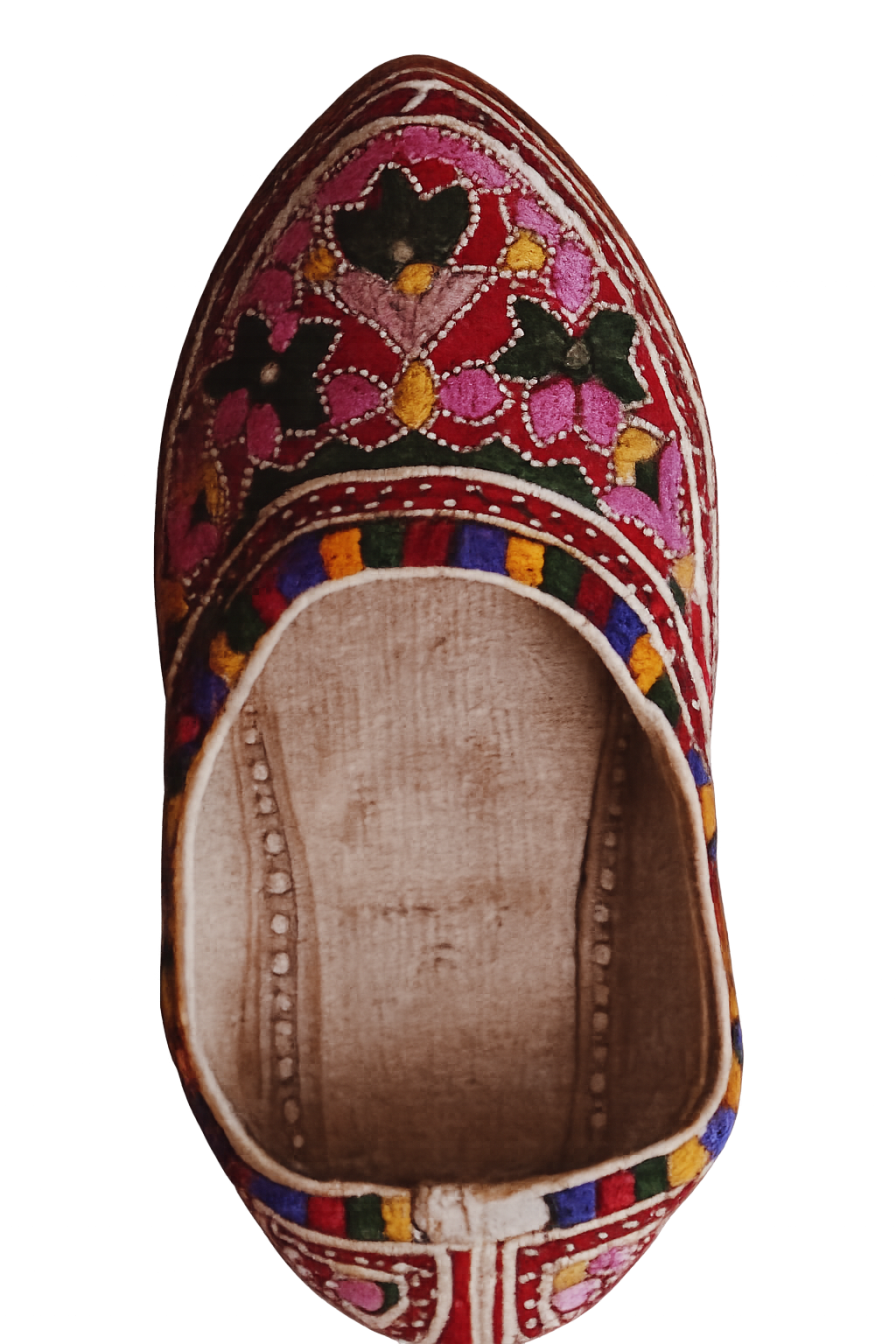
Agra is a city of stone, symmetry, and inlay, where marble is cut and set with semi-precious flowers and leather is worked into everyday craft. That is the first thing to hold before any single craft is named — a city is a temperament before it is a technique, and Agra has a temperament you can feel in its streets before you ever see an object made.
In the larger archive of Uttar Pradesh, Agra is not interchangeable with its neighbours. Where other places lean one way, Agra leans toward parchin kari marble inlay — semi-precious stones set flush into white marble — alongside stone carving and leather craft, and that leaning organises everything else: the markets, the working hours, the materials that arrive at the door, and the things people are proud to show a visitor.
Its anchor crafts — Marble inlay (parchin kari), Stone carving, Leather craft, and Miniature stone souvenirs — are not a list of products so much as a description of how the city thinks with its hands. Each one carries a discipline that has been refined across generations, defended quietly against the speed of everything around it.
To read Agra closely, then, is to read Uttar Pradesh at close range. The chapters that follow move from the land outward to the thread, the mark, the colour, and finally the living people who still carry the work — because identity here is not a label but a practice that is still going on.