Back
22.72° N  ·  75.86° E  ·  Malwa Plateau

Madhya Pradesh · Chapter Two

Indore

इंदौर · मालवा का दिल

Chanderi silk, Holkar craft patronage, and the bazaar culture of the Malwa plateau.

22.72° N  ·  75.86° E  ·  Malwa Plateau

Indore is MP's largest city and its commercial centre — a trading city on the Malwa plateau whose craft identity comes partly from its proximity to Chanderi (the silk weaving town) and partly from the Holkar Maratha dynasty that made it their capital in the 18th century.

I

Chapter One

The Holkar Legacy — Craft Under Maratha Rule

होल्कर विरासत · मराठा का मालवा

Indore was the capital of the Holkar Maratha state, ruled most famously by Ahilyabai Holkar in the 18th century. Ahilyabai was an extraordinary patron of craft and architecture — she sponsored the construction of temples across India and attracted weavers, metalworkers, and jewellers to her capital. The craft ecosystem she built continued under her successors.

Holkar patronage brought diverse craft traditions to the Malwa plateau: Rajasthani gold work, Deccan metalwork, Gujarati textile knowledge, and the local Malwa block-printing tradition. The synthesis created an Indore craft vocabulary that is distinct from any single source.

Ahilyabai Holkar built 12 Jyotirlinga temples across India. She also built an economy of craftspeople in her capital who made the temple objects, the ritual textiles, and the royal gifts that those temples required. The temple and the workshop were the same project.
II

Chapter Two

Chanderi — Woven Air

चंदेरी · हवा में बुनी साड़ी

Chanderi town, 230 kilometres south of Indore, produces one of India's most distinctive handloom textiles: the Chanderi saree, known for its extreme lightness and translucency. Chanderi fabric is woven in silk-cotton blends on pit looms, using a diagonal twill weave that creates the characteristic slight texture called woven air by its admirers.

The saree borders use a supplementary weft to create traditional motifs — the dandidar stripe, the coin (sikka) pattern, and stylised floral borders. The pallu is typically plain or lightly ornamented. The appeal of Chanderi is in the ground fabric, not the decoration: its lightness, its sheen, its feel against skin.

A Chanderi saree holds light differently in the morning and at noon. This is not magic — it is the structure of the weave, the angle at which the silk-cotton blend refracts. The weaver made a cloth that responds to time of day. This is the deepest form of understanding your material.
  • Chanderi silk-cotton
  • Pit loom weaving
  • Dandidar border
  • Translucent ground weave
  • Holkar textile patronage
Indore: Landscape
Indore — landscapeWikimedia Commons
III

Chapter Three

Sarafa & the Craft Bazaar

सराफा बाज़ार · रात का बाज़ार

Sarafa Bazaar in Indore is India's most famous street food market — but during the day, before the food stalls open, it is a jewellery and gold trading market. This double life of the same street is characteristic of Indore's commercial culture: the city uses its public space efficiently, and the trading community has maintained family businesses in specific lanes for generations.

Indore's craft market extends beyond Sarafa: Khajuri Bazaar for textiles, Rajwada area for traditional brassware, the Cloth Market for wholesale fabric from across India. The city is a distribution centre — not primarily a production centre — for craft from the wider Malwa region.

Indore's bazaar operates 24 hours in rotation. By day: gold and cloth. By night: food and conversation. The same streets hold two different worlds, separated by time. The city that makes this work is making something — a form of shared space that most cities can't manage.
Indore: The craft
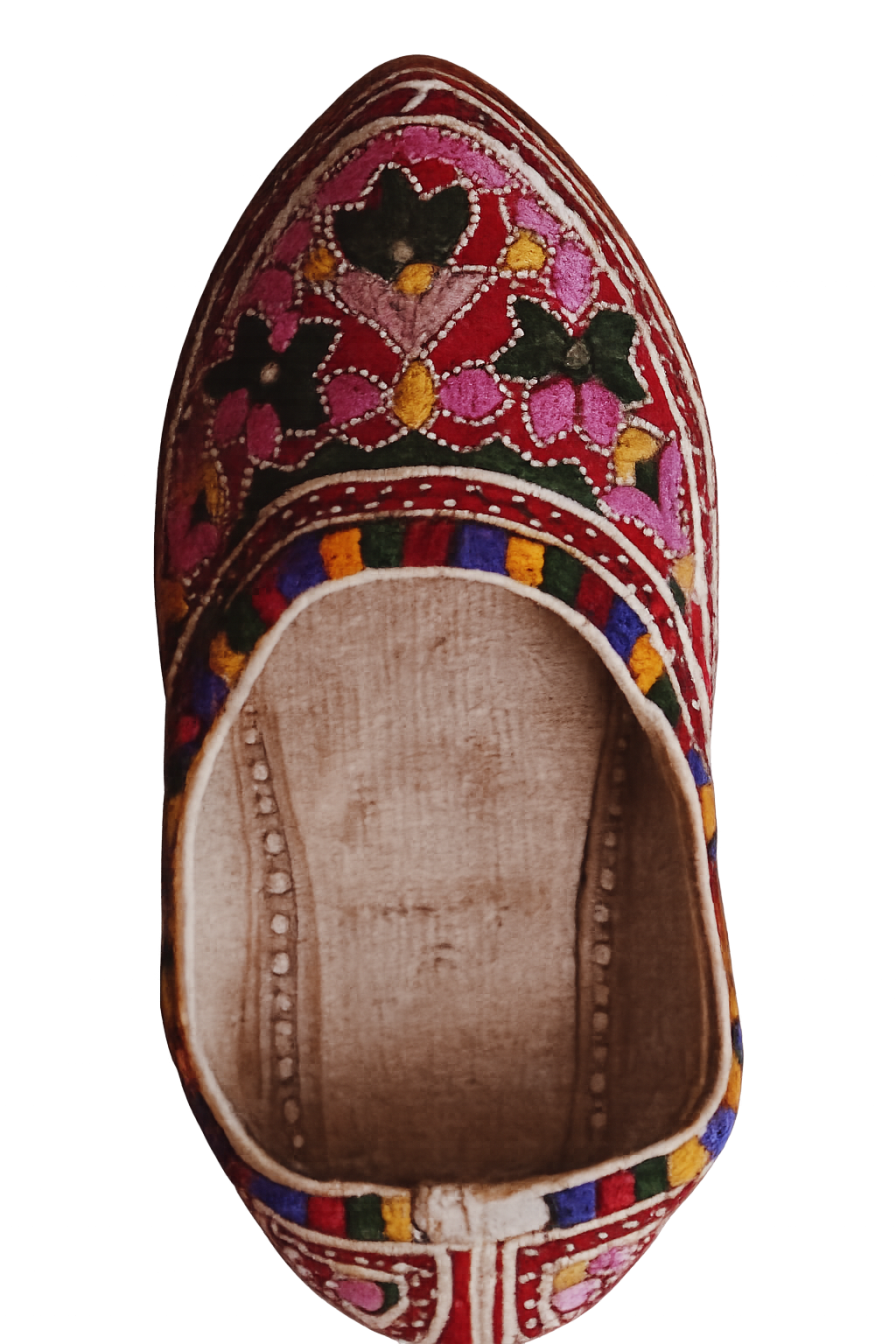
Indore — the craftWikimedia Commons
Indore: Material
Indore — materialWikimedia Commons

यत्र व्यापार और शिल्प एक ही सड़क पर चलते हैं

where trade and craft walk the same street.